
Tracking and Reporting SEO Progress: How a Virtual SEO Assistant Does It Better
Tracking and reporting SEO progress is crucial for understanding how well your website is performing and where improvements are needed. A Virtual SEO Assistant (VSA) can enhance this process by automating key tasks, providing detailed insights, and ensuring continuous optimization. Here's how a VSA can do SEO tracking and reporting better:
1. Continuous Monitoring and Real-Time Data
- 24/7 Monitoring: Unlike manual checks, a VSA can monitor your website’s SEO performance around the clock, identifying issues as soon as they arise. This ensures you don’t miss crucial errors that could affect your rankings.
- Real-Time Reporting: The VSA can pull real-time data from search engines and analytics tools, providing up-to-date insights on keyword rankings, traffic, and site performance without delays.
2. Automated SEO Audits
- Routine Audits: The Virtual SEO Assistant can automatically schedule and perform SEO audits at regular intervals, ensuring your site remains optimized over time. These audits typically cover key areas such as technical SEO, on-page SEO, and backlinks.
- Comprehensive Reports: Once the audit is complete, the VSA can generate a detailed SEO report that covers various aspects of your site, such as crawl errors, page speed, broken links, mobile usability, and more. This helps identify any problems that need immediate attention.
3. Keyword Tracking and Performance Insights
- Keyword Rankings: The VSA can track your website’s keyword rankings across multiple search engines, showing how your site ranks for target keywords over time. This is essential for assessing the success of your SEO efforts.
- Keyword Trends: It provides insights into keyword performance trends, helping you identify which keywords are gaining or losing traction. This can help you adjust your content strategy and optimize for high-performing keywords.
- Search Volume and Competitor Analysis: The VSA can also analyze search volumes for your keywords and track competitor performance, showing where you stand relative to others in your industry.
4. Competitor Tracking and Benchmarking
- Competitor Performance: A VSA can continuously track and analyze the SEO performance of your competitors. By monitoring their rankings, backlink profiles, and content strategies, the VSA helps you understand where you can improve or gain a competitive edge.
- Benchmarking: Using competitor data, the Virtual SEO Assistant can provide SEO benchmarking, highlighting areas where your site is performing well and areas that need improvement.
5. Backlink Tracking and Health
- Backlink Monitoring: Backlinks are a critical ranking factor, and a VSA can track the quality and quantity of backlinks pointing to your site. It will alert you if any toxic backlinks appear, ensuring you don’t face penalties.
- Link Health Reports: The VSA generates reports that detail the health of your backlink profile, such as the number of new backlinks acquired, lost links, and the quality of those links (e.g., from reputable domains).
6. Customizable Dashboards and Reports
- Tailored Reporting: VSAs often come with customizable dashboards that allow you to focus on specific SEO metrics that matter most to your goals. For example, you may want to focus more on organic traffic, conversion rates, or keyword rankings, and the VSA can adjust reports accordingly.
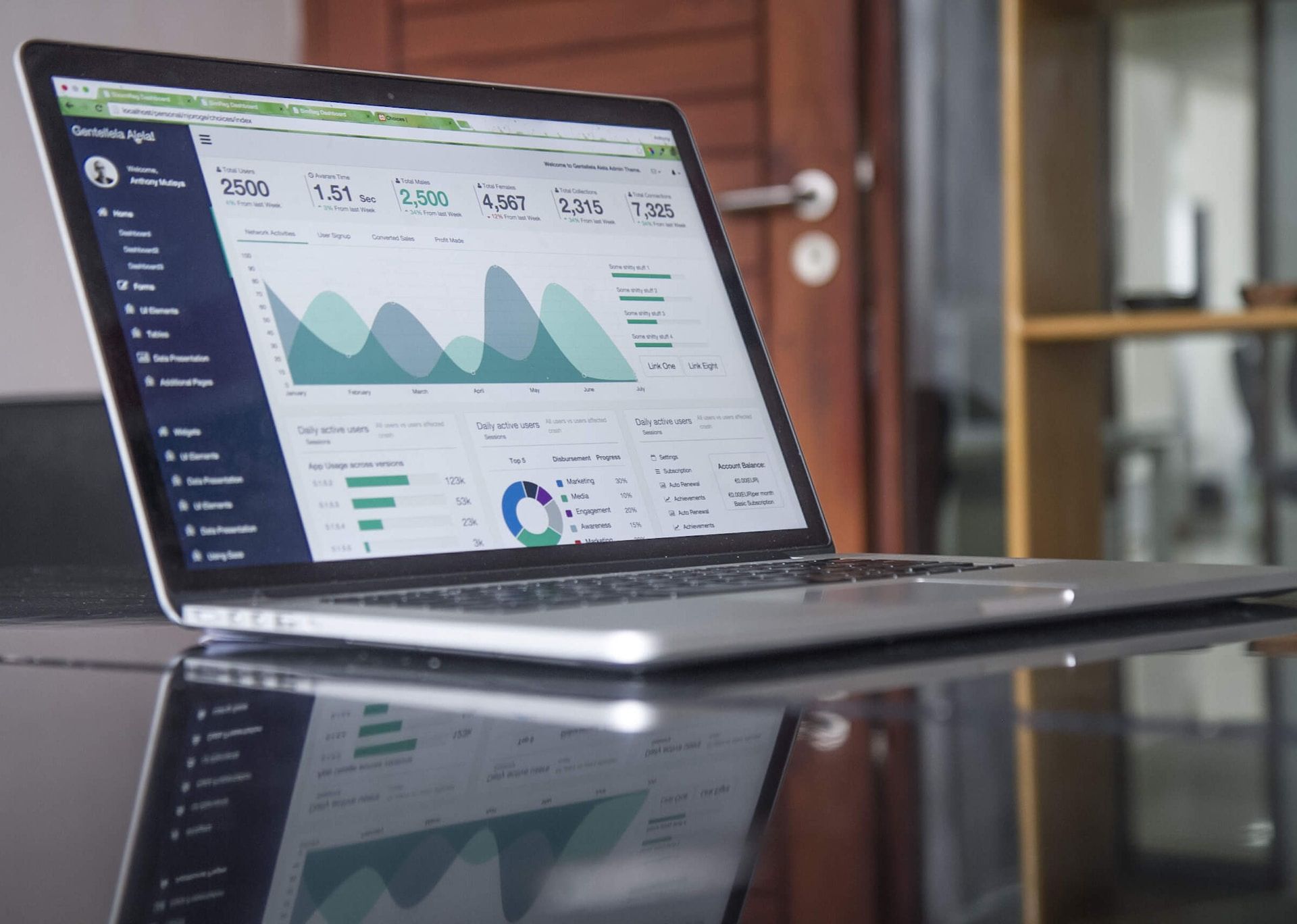
- Visual Data Representations: The VSA can present data in visual formats like graphs, charts, and tables, making it easier to digest complex information and track performance trends at a glance.
7. SEO Health Tracking with Alerts
- Performance Alerts: When the VSA detects significant changes in key metrics (e.g., sudden drops in rankings or spikes in page load time), he can send you real-time alerts. This allows for quick action before problems escalate.
- Site Health Monitoring: The assistant can monitor the overall health of your website’s SEO, such as page load times, mobile usability, and crawl errors, notifying you when certain thresholds are met or when specific issues need attention.
8. Traffic and Engagement Insights
- Traffic Tracking: The VSA can integrate with Google Analytics and other tracking tools to provide insights into your site’s traffic, user behavior, bounce rates, and more. These insights allow you to track which pages are driving traffic and where users are exiting.
- Engagement Metrics: Beyond traffic, the VSA can track engagement metrics, such as time on page, scroll depth, and conversion rates. This helps you understand user experience and determine if your content is meeting the needs of visitors.
9. Content Performance Evaluation
- Content Effectiveness: The Virtual SEO Assistant can assess the performance of your content by analyzing how well specific pages are ranking, how much traffic they are driving, and how they are performing compared to competitors.
- Content Gap Analysis: By comparing your site with competitors, the VSA can identify content gaps—topics your competitors are covering that you are not. It can then suggest new content opportunities to improve rankings.
10. Data-Driven SEO Strategy Adjustments
- Actionable Insights: A Virtual SEO Assistant doesn’t just report data; it analyzes it and provides actionable insights. For example, it can recommend optimizing underperforming pages, revisiting old content with updated keywords, or fixing broken internal links.
- Trend Analysis: It can also identify broader trends (e.g., changes in search engine algorithms or shifts in user search intent) and recommend adjustments to your SEO strategy to maintain or improve your rankings.
11. Local SEO Tracking
- Local Search Performance: For businesses with a physical presence, a VSA can track local search rankings and the health of your Google My Business listing. It can also monitor customer reviews and citations to ensure you have a strong local SEO footprint.
- Geo-targeting Analysis: It can help assess how well your website ranks in specific geographic regions, providing insights into regional performance and helping optimize content for local audiences.
12. Improved Reporting Efficiency
- Time-Saving Automation: The VSA automates the entire tracking and reporting process, saving time that would otherwise be spent manually collecting data and generating reports. This allows SEO teams to focus on strategic decision-making rather than data entry.
- Consolidated Reports: The Virtual SEO Assistant can consolidate data from multiple SEO tools (e.g., Google Search Console, Ahrefs, SEMrush) into a single, easy-to-understand report, offering a unified view of your SEO progress.
By integrating a Virtual SEO Assistant into your SEO efforts, you can ensure more accurate, timely, and detailed tracking of your website's performance. The ability to automate routine tasks, monitor metrics in real-time, and receive actionable insights empowers businesses to respond quickly to SEO challenges, maintain consistent optimization, and make data-driven decisions. With a VSA handling the heavy lifting of SEO tracking and reporting, you can significantly improve your SEO strategy, ensuring better results and a stronger online presence.